A love of autumn
It won’t have escaped anyone’s notice that the clocks went back at the weekend and I wonder how you feel about the shorter days and longer nights?
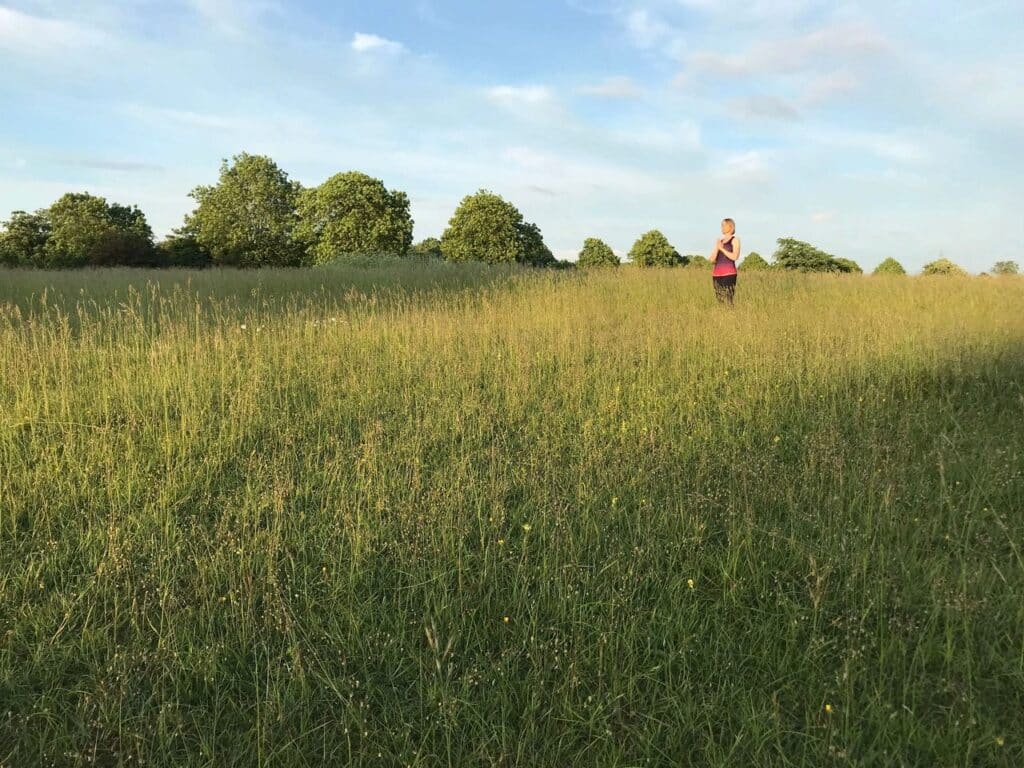
Autumn is my favourite time of year. I love the morning mists, the shock of bright orange leaves against a surprising blue sky, the woody smell of a bonfire, the cwtch of an evening indoors and the joy of a birthday celebration in November. It is the time for retreating, tending to oneself and coming home after a hearty stomp in the woods, perfect for a introvert like me.
Disrupted circadian rhythms
But many of us feel the weight of the shifting rhythms of this darker season. Calling in the quiet and the dark and the slowness as it does, I am aware that this seasonal transition can also bring with it a dip in mood, energy and motivation.
All these are real signs that our internal energy systems might be struggling to adapt to less daylight. Despite my love for autumn I have recently been feeling lethargic, even exhausted. Our internal energy systems crave light, particularly in the mornings. We know that reduced exposure to sunlight can disrupt our circadian rhythm. This is primarily responsible for our sleep-wake cycle but also regulates so much more, from mood to immune health, hormones to digestion.
Menopause sleep issues
Women in peri-to-post menopause – who may already be struggling with sleep rhythms and circadian disregulation – are particularly at risk of increased disruption when the clocks change and daylight retreats.
It begins to feel like a hopeless downward spiral. A poor night’s sleep might mean a lie-in followed by increased caffeine intake with maybe some sugary snacks thrown in for good measure – all which contribute to another poor night’s sleep. But it doesn’t have to be that way. I’m personally going to look at my routines and habits to see where I can tweak them to make me feel better.
Gentle actions to consider
Here’s where I’m considering taking action:
- Using a light therapy lamp or sunrise alarm: Devices such as a light box or dawn simulator can help reset circadian rhythms and support serotonin production when the sun’s simply not around.
- Getting outside early: Just 5-10 minutes outside in the morning can make a difference. Natural light helps balance hormonal signals and lift mood.
- Moving my body: Gentle walking or exercise stimulates endorphins, reduces stress and improves mood. (Combine with the previous suggestion and kill two birds with one stone). Do this every day.
- Keeping to a routine: Consistent bedtimes, wake times, meal and movement routines help anchor our internal clock.
- Thinking about what I eat: nourishing both brain and gut and considering supplements. Vitamin D supports bone health, immune systems and may help lift mood. If you’re feeling exhausted and lethargic with a frazzled nervous system, Vitamin B12 helps with adrenal fatigue.
I’m hoping that integrating just one or two gentle practices such as morning light exposure or keeping to a consistent routine will really help support my energy levels during these darker months.
There’s always more help available
If you too are struggling and you’d like to know more about how you can improve your sleep, there’s always help out there. From apps with guided meditations to sleep coaches, don’t be afraid to reach out. Sleep (or lack of) is an important health issue.
You could start with my Reclaim Your Rest course, designed to support women in midlife. It includes a downloadable sleep diary, seven easy lessons and recorded guided relaxations to listen to in order to help you get to sleep.
You can find more about the course here, or buy it here. I do hope it helps – let me know how you get on!